Wheat Bran
Common name: Wheat bran, fine wheat bran, coarse wheat bran, coarse wheat feed
Scientific Name: Triticum aestivum L.
Feed categories: Cereal grains and by-products
Physical Characteristics
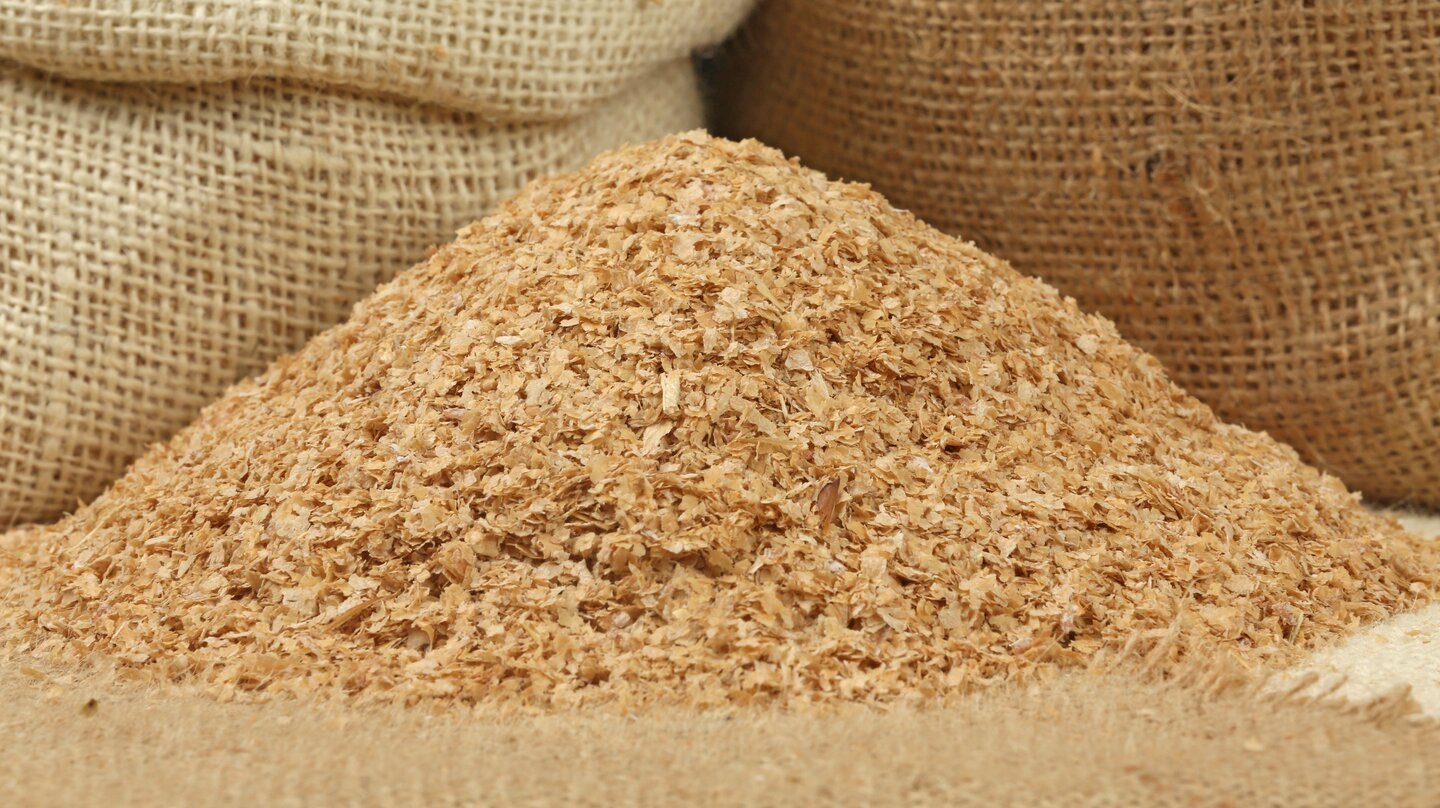
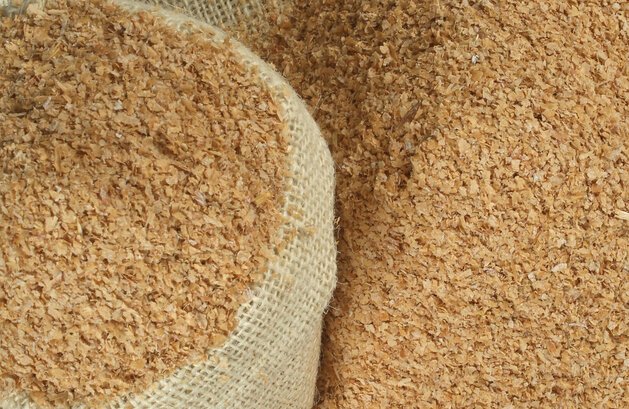
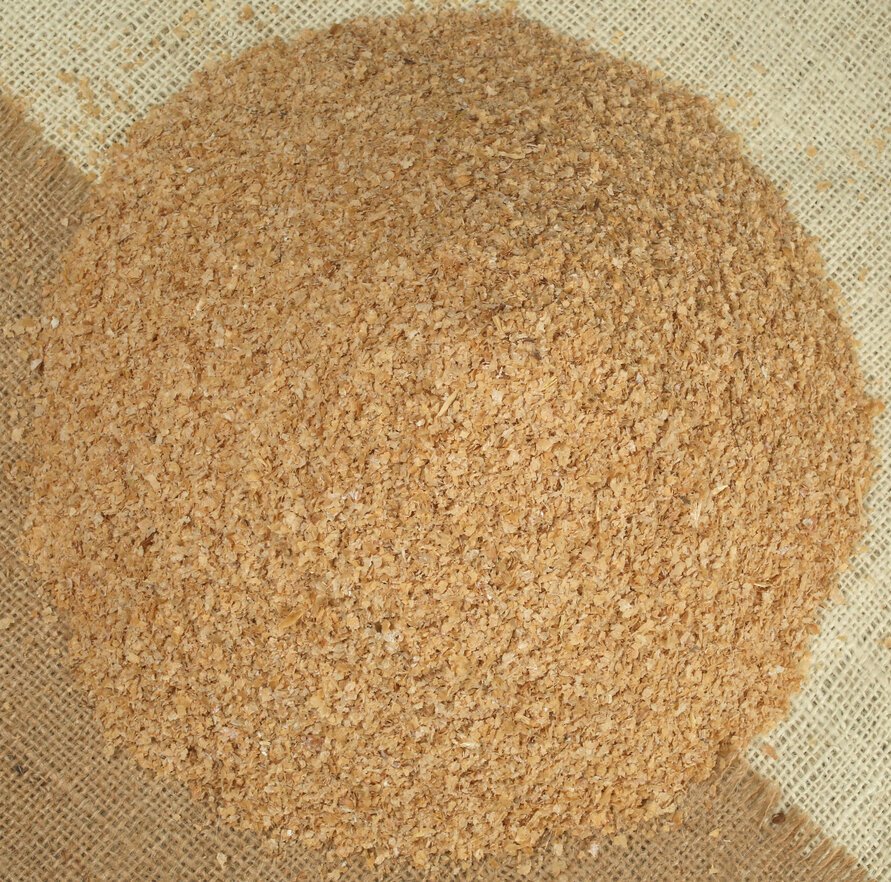
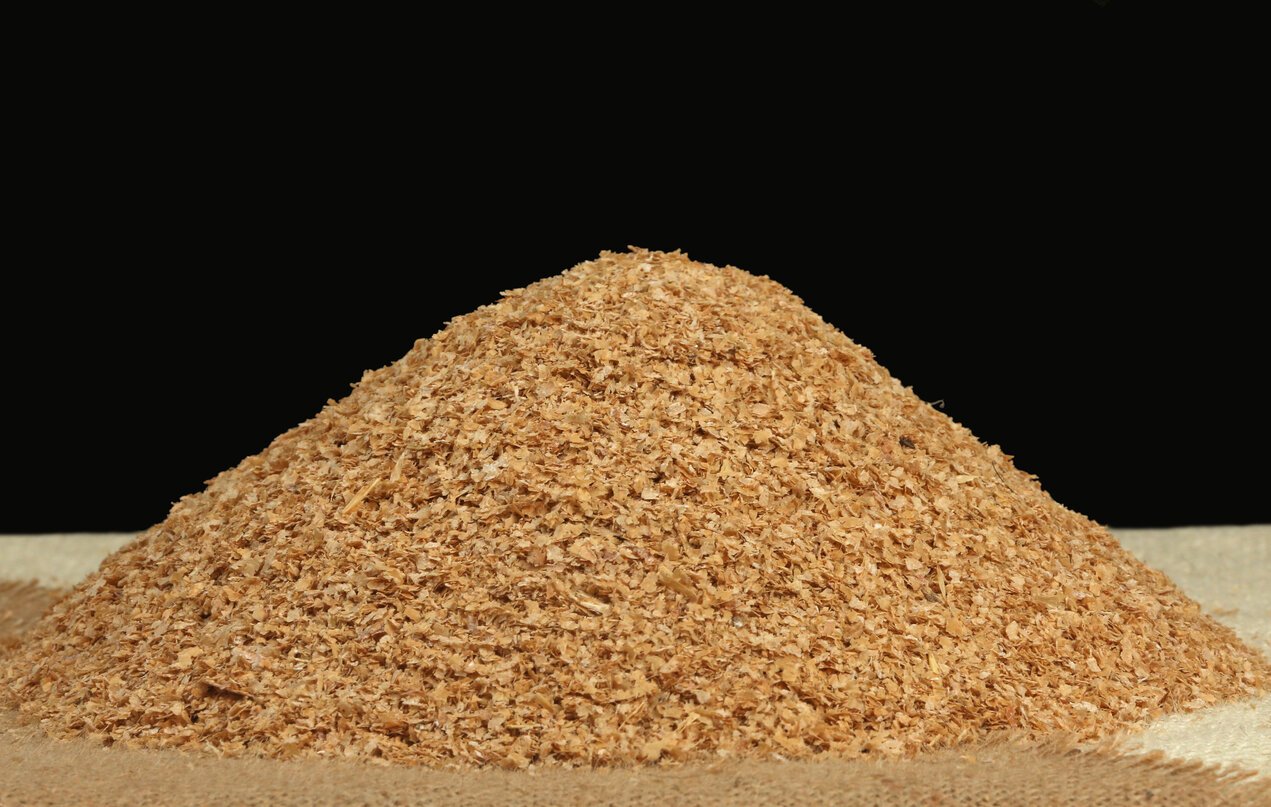
The outermost coating of the kernel and some flour make up wheat bran. Wheat bran has a whitish-brown, light reddish-brown tint and a nutty, sweet taste. Due to the water retention capacity of wheat bran, it helps in digestion of feed in ruminants. Because of the presence of fiber and non-starch carbohydrates in wheat bran, it has the ability to absorb and expand water, which greatly affects the laxative properties.
Description: Wheat bran is a byproduct of wheat's dry milling process (Triticum aestivum L.). Wheat brans, containing bran, germ, and a variable fraction of endosperm of the grains, may encompass 14.0 to 19.0% of the total grain weight depending on plant varieties and milling processes. Coarse bran coatings mixed with a lesser portion of germs and endosperm identify a high protein type (≥ 17%) and a floury low-protein (≤15%) type with broken bran coatings extended with a comparatively higher portion of germs and endosperm are produced from different mills. A finely milled blend of bran and wheat middlings resemble the latter and are often termed wheat pollards. Wheat bran is one of the by-products with the highest energy content available, which is used as an energy source in animal feed. The phosphorus content is high, but the calcium content is low. Though much of the phosphorus exists as phytate phosphorus, rumen microorganisms can digest phytate phosphorus.
Production and Availability: Wheat is the second staple food after rice in Bangladesh. Local production accounts for 15 percent of the total demand. Usually, it grows in the winter season, with planting occurring in November and December and harvesting in March and April. In the 2022–23 financial year, Bangladesh produces about 1.170 million tons of grain wheat annually (DAE). According to the Department of Agricultural Marketing (DAM) data, in the first eight months of MY (Marketing Year) 2023/24, Bangladesh imported 3.8 million MT of wheat. DAM has forecast a wheat bran requirement of 280 thousand metric tons in 2024–25 MY. Wheat is also used as a feed ingredient in the poultry, aqua, and cattle feed industries in Bangladesh. Cattle farmers also feed wheat bran separately. With its substantial dietary fiber content, wheat bran will help an animal's body feel content and comfortably full for an extended amount of time. Additionally, it will support the animals' healthy intestines and stomach, extending their productive lives.
Nutritional Composition of Wheat Bran
|
Main Analysis
|
Unit
|
Avg.
|
SD
|
Min.
|
Max.
|
Nb
|
|
Dry matter
|
% as fed
|
88.2
|
1.9
|
82.4
|
90.9
|
55
|
|
Crude Protein
|
% DM
|
15.3
|
1.8
|
12.2
|
20.7
|
59
|
|
Crude Fibre
|
% DM
|
9.8
|
2.3
|
6.1
|
14.1
|
39
|
|
NDF
|
% DM
|
41.4
|
7.7
|
24.0
|
58.0
|
29
|
|
ADF
|
% DM
|
12.7
|
3.0
|
8.2
|
19.2
|
28
|
|
Ether extract
|
% DM
|
3.3
|
1.1
|
1.2
|
5.1
|
37
|
|
Ash
|
% DM
|
7.4
|
2.5
|
4.5
|
12.0
|
32
|
|
Gross energy (GE)
|
MJ/kg DM
|
17.30
|
1.12
|
16.02
|
18.30
|
16
|
|
Metabolizable energy (ME)
|
MJ/kg DM
|
9.09
|
0.28
|
8.8
|
9.51
|
8
|
|
Calcium
|
g/kg DM
|
1.64
|
0.46
|
0.69
|
2.51
|
16
|
|
Phosphorus
|
g/kg DM
|
10.97
|
2.61
|
6.20
|
15.70
|
19
|
References:
Balgees, A. ; Atta Elmnan; Fadel Elseed, A. M. A. ; Salih, A. M., 2009. Effects of Albizia lebbeck or wheat bran supplementation on intake, digestibility and rumen fermentation of ammoniated bagasse. J. Appl. Sci. Res., 5 (8): 1002-1006
Berchiche, M. ; Kadi, S. A. ; Lebas, F., 2000. Valorization of wheat by-products by growing rabbits of local Algerian population. 7th World Rabbit Congress, Valencia, Vol. C : 119-124
Blas, E. ; Fernandez Carmona, J. ; Cervera, C. ; Pascual, J. J., 1998. Digestible energy of different wheat brans for rabbits. 7th World Rabbit Congress, Valencia, 2000
Blas, E. ; Fernandez-Carmona, J. ; Cervera, C. ; Pascual, J. J., 2000. Nutritive value of coarse and fine wheat brans for rabbits. Anim. Feed Sci. Technol., 88 (3-4): 239-251
Blas, E. ; Fernández-Carmona, J. ; Cervera, C. ; Pascual, J. J., 2000. Digestible Energy of different wheat brans for rabbits. 7th World Rabbit Congress, Valencia Spain, Vol. C : 139-143
Boudouma, D. ; Berchiche, M., 2010. Effect of hard wheat bran on the growth performance of broiler chickens. Livest. Res. Rural Dev., 22 (6)
Boudouma, D., 2010. Prediction models of the metabolisable energy of wheat brans. Livest. Res. Rural Dev., 22 (2)
Cavalcanti, W. B. ; Behnke, K. C., 2004. Effect of wheat bran phytase subjected to different conditioning temperatures on phosphorus utilization by broiler chicks based on body weight and toe ash measurements. Int. J. Poult. Sci., 3 (3): 215-219
Choct, M. ; Annison, G., 1992. Soluble wheat pentosans exhibit different anti-nutritive activities in intact and cecectomized broiler chickens. J. Nutr., 122: 2457-2465
Degani, G., 2006. Digestible energy in dietary sorghum, wheat bran and rye in the common carp (Cyprinus carpio L.). Israeli J. Aquacult. - Bamidgeh, 58 (2): 71-77
Ellis, L. C. ; Tillman, A. D., 1961. Utilization of phytin phosphorus in wheat bran by sheep. J. Anim. Sci., 20: 606-607.
Farmer, C. ; Cochran, R. ; Simms, D. ; Heldt, J. ; Mathis, C., 2001. Impact of different wheat milling by-products in supplements on the forage use and performance of beef cattle consuming low-quality, tallgrass-prairie forage. J. Anim. Sci., 79 (9): 2472-2480
Tanvir Ahmed and Sarah Gilleski., 2024. Grain and Feed update. Dhaka, Bangladesh. Report Number: BG2023-0018. Global Agricultural Network (GAIN); United States Department of Agriculture; Foreign Agricultural Service.